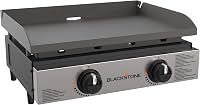
How to Clean a Flat Top Griddle
To clean a flat top griddle, scrape the warm plate with a flat scraper, wipe off the grease, and wipe the surface down with a little water. Let it dry completely, then rub a thin coat of cooking oil over the plate before your next cook.
On this page (10 sections)
- What you need before you start cleaning a flat top griddle
- How do you scrape a flat top griddle while it's warm?
- How do you remove grease without soaking the plate?
- When should you use soap and water on a flat top griddle?
- How do you season a flat top griddle after cleaning?
- How do you handle stuck-on food and burnt spots?
- How should you clean the edges, trough, and frame?
- How do you protect a flat top griddle between cooks?
- Common mistakes to avoid when cleaning a flat top griddle
- Which griddle cleaning supplies fit your setup?
To clean a flat top griddle, scrape the warm plate with a flat scraper, wipe away the grease, and wipe the surface with a little water. Dry it fully, then spread a thin coat of cooking oil over the plate so the next cook starts clean.
The plate cools fast once you switch off the burners, so the best window is a few minutes after the food comes off. A warm surface releases stuck bits and grease far more easily than a cold one.
What you need before you start cleaning a flat top griddle
Gather a flat scraper, a stiff cleaning brush, a cloth or paper towels, and a little cooking oil before you touch the plate. A squeeze bottle of water helps you control how much liquid goes on the surface.
Keep a heat-safe tray nearby for grease and food scraps. A pair of heat-resistant gloves protects your hands when you reach under the edges.
A scraper with a straight edge works best on a flat plate. Avoid knives, metal spatulas with sharp corners, and abrasive scouring pads, since they can gouge or scratch the surface.
Shut the propane valve or unplug a tabletop model and let the burners cool before you start. For more on the cookers themselves, see our guide to the best portable propane griddles.
How do you scrape a flat top griddle while it's warm?
Hold a flat scraper at a shallow angle and push the food and grease toward the grease trough or a collection tray. Work in straight passes across the whole plate, overlapping each stroke.
Start at the back and pull toward you so scraps don't splash. A warm plate softens stuck-on bits within a few seconds, and the scraper lifts them cleanly.
Empty the trough or tray as you go, because cooled grease is much harder to remove.
Which griddle tools make scraping easier?
A kit with an enlarged scraper and a long spatula makes the job quicker, because you scrape and lift food with separate tools. That's where a griddle accessory set earns its place.
The EWFEN kit includes a long griddle spatula, a large burger turner, and a slant edge scraper, along with a cleaning brush. The tools are stainless steel and heat-resistant, so they suit a warm plate.
The kit is dishwasher safe, but EWFEN says to dry the spatula and scraper after washing to avoid rust. Skip a full kit if you already own a scraper and spatula and only need the plate tools.
How do you remove grease without soaking the plate?
Wipe the warm plate with paper towels or a cloth to lift the bulk of the grease, then scrape again if anything sticks. Soaking is the wrong move on a flat top, because water can work into seams and the edges of the plate.
Fold the used towels into the grease tray. Keep wiping until the surface looks even rather than patchy and glossy with old oil.
A little warm water on a cloth helps loosen residue. Wring the cloth out first so it's damp, not dripping, and wipe in sections.
Avoid flooding the plate or pouring water over the burners. If you're cleaning a tabletop griddle, keep water away from the control dial and the fuel connection.
When should you use soap and water on a flat top griddle?
Use soap and water only for a deeper clean, such as after cooking fish or a sticky sauce. Everyday cleaning needs nothing more than a warm scraper and a wipe.
For a deeper clean, mix a little mild dish soap into warm water and wipe the plate with a damp cloth. Follow with a clean, damp cloth to rinse away the soap.
Dry the surface straight away with a towel. Don't let water sit on the plate, and don't soak the whole griddle in a sink.
A cast iron or carbon steel plate can rust when it stays wet, so hand drying matters more than speed.
How do you season a flat top griddle after cleaning?
Rub a thin, even coat of cooking oil over a fully dry plate after every cleaning. The oil layer protects bare metal and helps the next cook release cleanly.
Heat the plate gently after oiling, if your model allows it, so the oil spreads evenly. A light film is enough; a thick coat turns sticky and can smoke.
Season more heavily at first setup or after a deep clean, with several thin oil layers heated one at a time. Check the Blackstone 17 inch griddle for a sense of how a small flat top is seasoned before its first cook.
Which kit suits a deeper clean?
A more specialized kit helps when you want a cleaning brush plus scraper and chopper for stubborn spots. That's the case with the Grilliance set, which pairs a slant edge scraper with a cleaning pad that has its own handle.
The set also includes a basting cover, a round cast iron burger press, and a burger patty maker. Its tools are stainless steel and dishwasher safe, though Grilliance recommends hand washing and oiling the cast iron press.
Skip it if you already have a scraper and brush. Choose a kit when you want burger tools and a handled pad in one box.
How do you handle stuck-on food and burnt spots?
Let a burnt spot soften with a damp cloth for a minute, then scrape it off with light pressure. Heat plus moisture breaks the bond without damaging the plate.
Don't dig at a hard spot with a knife or a corner of the scraper. Pushing harder tends to scratch the surface rather than remove the food.
Warm the plate again briefly and repeat the damp cloth and scrape, and let a griddle cleaning brush work at texture and corners.
If the spot stays after two or three tries, leave a thin oil coat on it and cook something oily next time. The spot usually releases during the next cook.
How should you clean the edges, trough, and frame?
Scrape the trough and wipe the frame and edges so grease doesn't build up where it's hard to see. The plate gets the attention, but the edges and grease channel are where buildup starts.
Wipe the trough with a cloth and lift out any removable tray for a wash in warm soapy water. Dry it fully before putting it back.
Clean the side shelves and frame with a damp cloth, keeping water away from the burner controls and any electrical parts. Check the grease cup or tray after every cook and empty it before it fills.
How do you protect a flat top griddle between cooks?
Dry the plate fully, oil it thinly, and store the griddle covered and dry. A rust-free plate is the main goal, along with keeping dust and moisture off the surface.
Put on a cover once the griddle is completely cool, since trapping heat under a cover can cause condensation. Store the griddle in a dry spot, away from dripping water or a damp garage floor.
For camp setups, our guide to the best outdoor griddle for camping covers the storage and care differences on a portable plate.
What should you keep in a cleaning kit for travel?
A compact kit with a scraper, brush, and a few basics covers most camping cleanups. That's where the EWFEN 237-piece set fits, with cleaning tools plus skewers and paper for a full camp kitchen.
The set includes a long griddle spatula, a slant edge scraper, a cleaning brush, and a storage bag. It also packs an apron, silicone gloves, 100 bamboo skewers, and 100 parchment paper sheets.
That's a lot of pieces, so it suits a household or a group that cooks often. Skip it if you only want cleaning tools.
Common mistakes to avoid when cleaning a flat top griddle
The biggest mistake is cleaning a cold plate or flooding it with water. Cold grease clings hard, and pooled water can get into seams and start rust.
Other mistakes to skip: using steel wool or abrasive pads on the cooking surface, leaving grease in the trough, and storing the griddle wet. Each one costs you a re-season or an extra deep clean later.
Don't skip the oil coat after a deep clean. Bare metal that dries without oil is where rust starts.
Don't scrape with a knife or a screwdriver to reach a corner; a flat scraper and a little patience handle the same spot safely.
Which griddle cleaning supplies fit your setup?
The right kit depends on how much you cook and whether you travel. A scraper, brush, and oil cover the basics, and a larger set adds tools for burgers, eggs, and camp meals.
Pick the EWFEN 35-piece kit if you want the widest everyday set with an enlarged scraper and basting covers. Pick the Grilliance 27-piece kit if a handled cleaning pad and burger press matter more.
Pick the EWFEN 237-piece set for camp cooking or a busy household that wants skewers and paper in the box.
Whichever kit you choose, the routine for how to clean a flat top griddle stays the same: scrape while warm, wipe the grease, dry the plate, and oil it. That short habit keeps the surface ready for the next cook.
Frequently asked questions
Can I clean a flat top griddle while it's still hot?
Yes, scrape food and grease off once the plate has cooled to warm rather than screaming hot. Warm metal releases stuck bits more easily, but a cold splash on a very hot plate can warp it.
Let it settle for a few minutes, then work with a flat scraper.
How do I stop a flat top griddle from rusting?
Dry the plate fully after every wash and rub on a thin coat of cooking oil before storing. Cast iron and carbon steel surfaces rust when water sits on bare metal.
Store the griddle somewhere dry and re-oil the plate if it looks dull.
What tools should I use to scrape a flat top griddle?
Use a flat metal scraper with a straight edge and a stiff cleaning brush for the plate, plus a cloth or paper towels for wiping. A scraper lifts food and grease without digging into the surface.
Avoid sharp knives and abrasive pads that can scratch the plate.