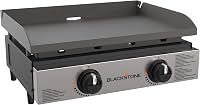
How to Clean a Rusty Outdoor Griddle
Scrub light rust off with a scraper and an abrasive pad, wash and dry the surface, then reseason it with a thin coat of cooking oil. Heavy pitting or flaking needs sanding or a specialist, but surface rust usually comes off in an afternoon.
On this page (11 sections)
- How do you know whether the rust is light or serious?
- What supplies do you need to clean a rusty outdoor griddle?
- How to clean a rusty outdoor griddle in six steps
- How do you scrape rust without damaging the seasoning?
- How do you treat rust spots with an abrasive pad or vinegar?
- How do you wash and dry the griddle after removing rust?
- How do you reseason a griddle after cleaning rust?
- How do you keep an outdoor griddle from rusting again?
- When should you stop cleaning and replace the griddle?
- Which cleaning kit should you keep beside the griddle?
- What is the quick answer on how to clean a rusty outdoor griddle?
Surface rust on an outdoor griddle is common and usually comes off with a scraper, an abrasive pad and a fresh coat of oil. Cleaning a rusty outdoor griddle takes about an hour for light rust.
You scrub the plate, wash and dry it completely, then reseason the flat top so it resists moisture between cooks.
The key is to remove only the rust and keep the seasoning beneath it intact. A griddle left out in rain or dew will show brown patches within a few days, so a quick routine after each cook matters as much as the cleanup itself.
How do you know whether the rust is light or serious?
Brown surface rust wipes or scrubs off and leaves solid metal underneath; deep rust pits the plate and flakes away. Rub a small area with a dry cloth first.
If the brown color transfers and the metal below looks smooth and dark, you have light rust.
Serious rust leaves rough craters you can feel with a fingertip. It may also show orange flakes when you scrape.
Stop and look closely at the plate if the metal feels thin or soft in those spots.
Cast iron and rolled steel griddles both rust the same way when moisture sits on bare metal. The fix is the same, but cast iron plates tolerate more aggressive scrubbing without losing their shape.
What supplies do you need to clean a rusty outdoor griddle?
You need a stiff scraper, an abrasive pad or fine steel wool, a cleaning brush, warm soapy water and a high smoke point cooking oil. A pair of heat resistant gloves helps when the plate is still warm.
Set up beside the griddle rather than over it. A folded towel under the tools keeps rust flakes from spreading across your patio.
Keep a plastic bag nearby for the dirty pads.
Do not use sandpaper on the cooking surface unless the rust is heavy. Sandpaper removes seasoning along with the rust and leaves fresh bare metal that will rust again quickly.
How to clean a rusty outdoor griddle in six steps
Scrape, scrub, wash, dry, oil and heat is the order that works. Do the steps in that sequence and you avoid the most common mistake, which is oiling a plate that still holds moisture.
- Warm the plate slightly so rust softens and the scraper glides.
- Scrape the flat top in long strips to lift loose rust and burnt food.
- Scrub the rusted spots with a pad and warm soapy water.
- Rinse the plate and wipe it dry with a clean cloth.
- Apply a thin coat of cooking oil across the whole surface.
- Heat the griddle until the oil smokes lightly, then let it cool.
Let the griddle cool before you begin the wash step. A hot plate dries too fast and can flash rust as you rinse.
How do you scrape rust without damaging the seasoning?
Hold a flat scraper at a shallow angle and push with steady pressure, lifting only the rust and crust. A slant edge scraper is the right tool for this, and it works across wide areas in straight runs.
Work in overlapping strips from the back edge toward you. Keep the blade flat so it skims the surface instead of digging into it.
A raised corner of rust tells you when to stop and switch to a pad.
Do not press the corner of the scraper into the plate. That gouges the seasoning layer and creates a spot where rust comes back.
If the scraper catches on the edge of the plate, lift it and start a new strip.
Wipe the blade with a rag after each pass. Rust flakes left on the edge drag across the seasoning and spread the mess.
How do you treat rust spots with an abrasive pad or vinegar?
Scrub light spots with a wet abrasive pad, or dab white vinegar on small patches to soften them first. Vinegar is a mild acid that loosens rust, and a short soak helps on spots the scraper missed.
Keep the pad wet and use small circles over the rusted area. Check the metal every few passes so you do not scrub past the rust into bare steel.
Rinse the pad in a bucket rather than on the plate.
For a stubborn spot, wet a cloth with vinegar and lay it over the rust for a few minutes. Scrub after you remove the cloth, then rinse well so no acid stays behind.
Vinegar left on bare metal will start new rust.
Can you use steel wool on a griddle?
Use fine steel wool for tough spots only. It removes rust quickly but leaves fine scratches that need oil to cover.
A nylon pad or a stainless scraper handles most jobs with less surface damage.
How do you wash and dry the griddle after removing rust?
Wash the plate with warm water and a little dish soap, rinse it well, then dry it completely with a cloth and a little heat. Soap is fine on a reseasoning job because you are rebuilding the oil layer anyway.
Rinse away all the vinegar and soap residue. A thin film of either will stop the new oil from bonding to the metal.
Wipe with a clean cloth until the surface looks even.
Heat the plate on low for a few minutes after drying. The warmth drives off the last moisture in the corners and around the grease trap.
Turn it off and let it cool slightly before oiling.
How do you reseason a griddle after cleaning rust?
Coat the whole cooking surface with a very thin layer of high smoke point oil and heat it until it smokes. Repeat once or twice to rebuild the dark, slick layer that keeps moisture off the metal.
Use an oil that handles high heat, such as canola or flaxseed. Spread it with a paper towel so the layer is barely visible.
Excess oil turns sticky and can flake later.
Heat the griddle on medium until the oil just begins to smoke. Let it cool, then wipe off any extra.
A second coat over the whole plate gives you a more even finish.
Oil the edges and the outside rim too. Rust starts at the sides and in the grease channel as often as on the cooking area.
A light wipe on the outer surfaces protects them.
How do you keep an outdoor griddle from rusting again?
Wipe the plate dry after every cook, oil it lightly and keep it under a cover. These three habits stop most surface rust before it starts.
Moisture is the cause, so the goal is to remove it and block it.
Let the griddle cool fully before the cover goes on. A warm plate under a cover traps steam, and steam is what starts rust overnight.
Store the griddle somewhere with airflow if you can.
Check the plate after rain or heavy dew. A quick wipe takes a minute and saves the scrubbing job later.
Our guide to the portable propane griddle options covers storage setups for smaller rigs.
If your griddle lives on a patio table, a tabletop griddle cover and a dry storage spot do most of the work. For camping trips, the outdoor griddle for camping guide shows how to pack and dry the plate between sites.
What should you do after a rainy camping trip?
Dry the plate as soon as you get home. Scrape off any food, wipe the surface, and apply a light oil coat before storage.
Skip the cover until the griddle is fully cool and dry.
When should you stop cleaning and replace the griddle?
If the plate is pitted, flaking or cracked through, stop cleaning and inspect it before cooking again. Deep pits hold moisture and keep rust coming back.
A plate that flakes into food is not safe to cook on.
Surface rust is a cleaning job. Structural damage is a replacement decision.
Check the plate edges and the welds on the frame, and look for soft spots where rust has eaten through.
If the griddle is otherwise sound but the surface is rough, a specialist can resurface a cast iron plate. Compare the cost with a new unit before you commit.
For a smaller rig, a review of the Blackstone 17 inch griddle shows what a well-kept plate should look like.
Which cleaning kit should you keep beside the griddle?
The right kit is the one that gets used after every cook. A scraper, a pad, a brush and an oil bottle cover the whole routine.
The EWFEN 35-piece kit bundles those tools and adds squeeze bottles for oil and water.
Choose the 35-piece kit if you want a compact set that stores in one bag. Choose the 27-piece Grilliance kit for its dedicated cleaning pad with handle and its round cast iron press.
The 237-piece kit suits a family setup where the griddle runs several times a week.
Whichever kit you pick, follow the drying advice in its care notes. Wash the tools, dry them fully and store them dry so the kit does not rust along with the plate.
What is the quick answer on how to clean a rusty outdoor griddle?
Scrub off the rust, wash and dry the plate, then reseason it with a thin oil coat. That order fixes light surface rust and protects the metal from the next rain.
Heavy pitting is a replacement call, not a cleaning one.
Start with the scraper and a pad, use vinegar only on small spots, and always finish with oil and heat. Then wipe the griddle dry after each cook and keep it covered.
Those habits are the real answer to how to clean a rusty outdoor griddle and keep it clean.
Frequently asked questions
Can vinegar remove rust from a griddle?
White vinegar softens light surface rust, so it can help on small spots. Wipe it on, wait a short time, scrub the area, then rinse and dry fully before reseasoning.
How long should I wait after oiling a griddle?
Heat the surface until the oil smokes lightly, then let it cool before wiping off any excess. Repeat once or twice for a thicker layer, and always wait for the plate to cool before storing it.
Should I cover an outdoor griddle when it rains?
Yes. A fitted cover keeps rain, dew and leaf litter off the plate, which is what starts surface rust between cooks.
Let the griddle cool fully and wipe it dry before the cover goes on.
Is a little rust on a griddle safe to cook on?
Light brown surface rust is common and cleans off with the steps in this guide. If the metal is flaking, deeply pitted or bright orange with cracks, stop and inspect the plate before cooking on it again.