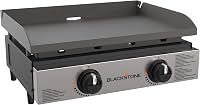
How to Season an Outdoor Griddle
To season an outdoor griddle, scrub the bare steel clean, dry it fully, then rub on a thin coat of high-smoke-point oil and heat it until it darkens. Repeat 3 to 5 thin coats, letting the surface cool between rounds, until it looks black and glossy.
On this page (9 sections)
- Why does a new outdoor griddle need seasoning first?
- What supplies do you need before you start?
- How do you clean a new griddle before seasoning it?
- How to season an outdoor griddle in five steps
- How do you season a gas or charcoal outdoor griddle?
- How do you keep the seasoning in good shape after cooking?
- What mistakes should you avoid when seasoning a griddle?
- How often should you reseason an outdoor griddle?
- The bottom line on how to season an outdoor griddle
To season an outdoor griddle, scrub the bare steel clean, dry it fully, then rub on a thin coat of high-smoke-point oil and heat it until it darkens. Repeat 3 to 5 thin coats, letting the surface cool between rounds, until it looks black and glossy.
A well-seasoned flat top turns into a natural nonstick surface. The oil bonds to the steel, fills tiny pits, and protects the metal from rust.
The whole job takes about an hour and needs only oil, a scraper, and a heat source.
Why does a new outdoor griddle need seasoning first?
A new griddle ships with a bare or factory-coated steel surface that will stick and rust without an oil layer. Cold-rolled steel, the material on most flat tops, is porous at the microscopic level and reacts to moisture quickly.
Seasoning fills those pores with polymerized oil. That layer is what makes eggs slide and burgers release cleanly.
It also blocks the oxygen and water that cause rust on a steel cook top.
Skip this step and your first pancakes will tear, your scraper will fight the surface, and rust spots will show up within days. Do it right and the coating gets better with every cook.
What supplies do you need before you start?
Gather a stiff brush or scrub pad, a lint-free cloth, a scraper, high-smoke-point oil, and a heat source. Tongs and a paper towel roll help you spread oil evenly and safely.
For oil, flaxseed is the traditional pick because it hardens into a tough coat. Canola, avocado, and grapeseed oil also work well.
Avoid olive oil and butter, which burn and turn sticky at griddle temperatures.
A flat metal scraper handles the factory residue and later food bits. Tongs and folded paper towels let you oil a hot surface without burning your hands.
Which griddle accessory kit helps with seasoning and daily care?
The right tools make the scrub, oil, and scrape steps faster. A kit with a scraper, spatulas, and a basting cover covers seasoning day and every cook after it.
The Grilliance kit includes a slant edge scraper, an extra-wide burger spatula, two long spatulas, tongs, a basting cover, a cast iron burger press, and a cleaning pad with handle. The stainless tools are rust-free, and the kit comes in a portable bag with a gift box.
Hand wash the cast iron press and rub it with oil to protect it.
The EWFEN kit adds squeeze bottles that help you lay down a thin, even oil line across the steel. It also packs a griddle scraper, chopper, tongs, egg rings, spice shakers, 100 bamboo skewers, and 100 parchment sheets in a carry bag.
The stainless parts are dishwasher safe; dry them after washing to avoid rust.
How do you clean a new griddle before seasoning it?
Wash the cooking surface with hot water and a little dish soap, then rinse and dry it completely. New steel carries machine oil and dust that must come off before any seasoning oil goes on.
Scrub with a stiff brush or non-abrasive pad in the direction of the grain. Rinse with hot water and repeat until the water runs clear and no gray residue shows on the cloth.
Dry the surface right away with a clean towel. Any water left on bare steel starts rust before your first oil coat.
Warm the griddle briefly on low heat to drive off the last moisture.
How to season an outdoor griddle in five steps
Clean, dry, oil thin, heat, and repeat is the whole process. Each coat builds on the last, so keep every layer thin and let the surface cool between rounds.
- Scrub and rinse the bare steel, then dry it fully.
- Warm the griddle on low to medium heat for a few minutes.
- Rub a very thin oil coat over the entire cooking surface with tongs and a paper towel.
- Heat until the oil darkens and stops smoking, then turn off the burners and let it cool.
- Repeat 3 to 5 times, then wipe off any excess oil.
Use a folded paper towel held with tongs to spread the oil. A thin film is the goal; if the surface looks wet or pooled, wipe more off before heating.
How much oil should each coat use?
Use just enough oil to make the steel look slightly shiny, about a teaspoon for a small griddle and a tablespoon for a large one. Too much oil is the most common seasoning mistake.
A thick coat turns gummy instead of hard. It also pools in low spots and leaves a sticky film that catches food and smokes heavily.
Spread the oil with a paper towel until the shine is even.
What heat setting should you use?
Heat in stages on medium, not on high, so the oil polymerizes evenly without burning. Most outdoor griddles reach 350 to 400°F on medium, which is enough to set a thin coat.
On a gas flat top, light all burners on low, then move to medium after the first coat. On a charcoal griddle, build a steady medium fire and spread coals under the whole plate.
Let the surface cool fully between coats. Rushing with high heat can warp thin steel or leave uneven dark and light patches.
How do you fix a patchy or sticky seasoning coat?
Wipe off the excess oil and heat the griddle again on medium to even out the coat. Patchy spots come from too much oil or uneven heat, not from a ruined surface.
Scrub a sticky surface with hot water and a scraper, dry it, and start with a thinner coat. Dark spots that flake can be scrubbed back to bare steel in that area and reseasoned.
Keep the griddle level and rotate it if your model lets you.
How do you season a gas or charcoal outdoor griddle?
The steps are the same, but the heat source changes how you manage temperature. Gas gives you steady control; charcoal needs a little more watching.
A propane flat top lets you set each burner and hold a low, even heat. Turn all burners to low for the first coat, then medium for later coats.
Our guide to the best portable propane griddles covers models with independent burner controls.
On charcoal, spread lit coals in an even layer under the plate and let the steel come up slowly. Add a few coals if the oil stops smoking too soon, and remove some if the surface gets too hot.
Is seasoning a tabletop griddle different?
No, a tabletop griddle seasons the same way, just in less time because the plate is smaller. Expect 2 to 3 thin coats rather than 5 on a compact unit, and watch the first coat closely since small plates heat fast.
See our roundup of the best tabletop griddles for patio and camping for compact options.
If you plan to cook away from home, the seasoning travels with the griddle. Check our picks for the best outdoor griddle for camping to find a portable model that holds its coating on the road.
How do you keep the seasoning in good shape after cooking?
Scrape off food while the griddle is still warm, wipe it with hot water, and add a light oil coat before you close up. This routine keeps the nonstick layer intact between cooks.
Skip heavy soap and steel wool on a seasoned surface. They strip the oil you worked to build.
A metal scraper and a splash of hot water handle most cleanup. Dry the surface right away and rub on a thin oil film to block moisture.
For a larger unit with more surface to protect, the Cuisinart four-burner model offers 760 square inches of cold-rolled steel cooking space.
The Cuisinart CGG-0036 runs four independently controlled burners at 15,000 BTUs each and folds down for storage. Its cold-rolled steel surface takes a seasoning coat the same way as any flat top.
What mistakes should you avoid when seasoning a griddle?
The main mistakes are too much oil, too much heat, and skipping the first scrub. Each one leaves you with a sticky, patchy, or rusty surface instead of a slick one.
Other common errors: using butter or olive oil, seasoning a wet plate, and cleaning with harsh soap afterward. All of them undo the work in a single session.
If rust does appear, scrub it off with a scraper or steel wool, wash and dry the spot, and reseason that area. Small spots heal fast with one thin coat.
For a closer look at a compact model that needs this care, read our Blackstone 17 inch griddle review.
How often should you reseason an outdoor griddle?
Touch up the surface after every cook and do a full reseason when food starts sticking or the steel turns dull gray. A well-kept griddle can go months between full rounds.
A light oil coat after each cleaning keeps the layer strong. A full reseason means 2 to 3 thin coats over the whole plate, which takes about 30 minutes.
Reseason sooner if the griddle sat outside in rain, if you scrubbed it hard, or if you cooked acidic foods like tomatoes and citrus.
The bottom line on how to season an outdoor griddle
Clean the steel, dry it, and build 3 to 5 thin oil coats on medium heat, and your flat top will cook like nonstick and resist rust. The job takes about an hour and rewards you with a better surface every time you cook.
Keep each coat thin, let the plate cool between rounds, and finish with a light oil film. Then scrape, wipe, and re-oil after every cook to hold the seasoning.
Pick up a scraper and spatula set before seasoning day so the scrub and oil steps go smoothly.
Frequently asked questions
How long does it take to season a new outdoor griddle?
Plan about an hour from scrubbing to the final coat. Most of that time is heating and cooling between coats, so you can do it in one session before your first cook.
What oil works best for seasoning a griddle?
Use an oil with a high smoke point, such as flaxseed, canola or avocado oil. Apply it in very thin layers so it bonds to the steel instead of leaving a sticky film.
Can I use soap when cleaning a seasoned griddle?
Skip heavy soap on a well-seasoned surface because it can strip the oil layer. Scrape off food, wipe with hot water, and re-oil lightly after each cook to keep the coating intact.
Why does my griddle look patchy after seasoning?
Patchy spots usually mean the oil went on too thick or the heat was uneven. Wipe off excess oil, spread the remaining coat thin, and rotate the griddle or move it over the burners as it heats.