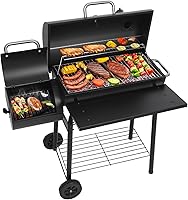
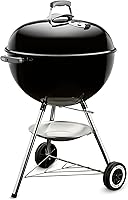
Charcoal Grill Not Getting Hot Enough?
A charcoal grill usually runs cold for one of three reasons: not enough lit charcoal, blocked airflow, or wet or low-quality fuel. Fix those three first, then check how you're measuring the heat and how much cold air is reaching the coals.
On this page (11 sections)
- How much charcoal does a full-size charcoal grill need?
- Why wet or old charcoal keeps your grill cold
- How to light a full batch of charcoal properly
- How airflow problems keep a charcoal grill from getting hot enough
- Is your grill thermometer telling you the truth?
- What role does lid technique play in grill temperature?
- When the cause is the grill setup itself
- How to keep the fire hot through a long cook
- When a cold grill means it's time for a new one
- What to do first when your charcoal grill is not getting hot enough
- More reading
A charcoal grill that won't get hot is almost never a mystery. It comes down to three basics: enough lit fuel, clean airflow, and dry fuel.
Work through those in order and most grills come back to full heat within a session.
The charcoal grill matters too, since a poorly kept or undersized unit fights you the whole way. But before you blame the hardware, check the cheap fixes first.
How much charcoal does a full-size charcoal grill need?
Start with a full chimney of lit briquettes for a direct fire, and more for a long cook. A thin layer of charcoal spread across the base gives you warmth at best, not grilling heat.
A full-size kettle typically wants a chimney's worth of coals piled and ready before food goes on. A big extra large charcoal grill needs more fuel to bring the grate up to temperature because there's more metal and more open space to heat.
Spread lit coals in a single layer for medium heat, or bank them to one side for a hotter direct zone. If you're grilling a lot at once, keep a second batch lighting while you cook.
The mistake is starting with a small pile and adding fuel later. You'll spend the whole session chasing the temperature instead of cooking.
Load up first, then manage the heat downward with the vents.
Why wet or old charcoal keeps your grill cold
Charcoal that's damp or has been sitting in an open bag takes far longer to light and burns cooler. Water has to boil off before the coals can heat up, so the fire goes into the moisture instead of your food.
Store charcoal in a sealed container in a dry spot, and keep the bag off the ground. If the briquettes feel soft or look dusty, they'll struggle.
Wet fuel also smokes heavily and leaves more ash behind. Damp charcoal isn't a reason to give up; a full chimney gets even moist briquettes hot, because it concentrates the fire in one place.
How to light a full batch of charcoal properly
Use a chimney starter rather than a lighter fluid mound. A chimney holds the coals together, feeds them plenty of air from below, and gives you a full batch of hot coals in one go.
Fill the chimney over the grate, light paper or a fire starter underneath, and wait until the top layer is ashed over. Then pour the coals into the grill and spread them out.
The Weber Rapidfire has a 7.5-inch diameter and stands 13 inches high, with a specialized cone-shaped grate under the fuel. Weber says the design is meant to produce hot coals quickly.
The ergonomic handle keeps your hand clear while you tip it. Fill it, light it, and tip the coals out once they're ready.
How airflow problems keep a charcoal grill from getting hot enough
Blocked vents and a full ash pan starve the fire of oxygen, so the coals go cool and smoky. A charcoal grill needs air in from below and air out from the top.
Before every session, clear the ash from the base, especially around the air holes. Briquettes burn down to a lot of ash, so long cooks need a mid-session check.
Keep the vents open while the coals get going, and only close them when you want to lower the temperature or put the fire out.
Don't pack the base with too much fuel at once either. Coals need a little space between them for air to move.
A tight mound smothers its own middle. Load a sensible pile, leave gaps for air, and the fire will do the rest.
Is your grill thermometer telling you the truth?
Many built-in grill thermometers read low or lag behind the real temperature at grate level. If your coals look ashed over and the food is browning fast, trust the fire over the dial.
Some replacement dials are built to read higher and hold accuracy. The Weber Replacement Thermometer 67088 is a center-mount analog dial that displays in Fahrenheit and Celsius and reads up to 700°F.
Weber says it's built to a high-accuracy spec and fits most Genesis, Genesis II (2016 and later) and Summit series gas grills. It comes with the wing nut but not the outer bezel.
A separate probe thermometer set at grate level, near the food, gives you a more useful reading for charcoal cooking.
What role does lid technique play in grill temperature?
Lid on for most cooking, and only lift it when you have to. An open lid lets heat escape constantly, and the fire never gets the closed environment it needs to climb.
With the lid down and the vents open, a charcoal grill heats up like a small oven. Opening it to check on food every few minutes dumps that heat and slows everything down.
Get the coals ready, spread them, close the lid and give the grill a few minutes to come up to heat before you put the food on. Then keep the lid closed and use the vents to manage temperature, opening them to get hotter and closing them to cool down.
If you want the full temperature range your setup can hit, our guide to how hot a charcoal grill can get covers it.
When the cause is the grill setup itself
If the basics are all correct and the grill still runs cold, look at how the fuel is arranged. A pile of coals bunched in one corner won't heat the rest of the grate.
Spreading them across the cooking area gives you even heat for direct grilling.
Some setups help by holding the fuel in place. The Weber® Char-Basket Charcoal Briquet Holders are a 2-pack of aluminized steel baskets that each hold up to 10 regular-sized briquettes.
They fit Weber charcoal grills 18 inches and larger and are meant for convenient indirect cooking. A pair lets you set up two heat zones without the coals sliding around.
That's useful for a big grill, but it's a real fix only when uneven fuel is the cause. For indirect setups on a smoker-style grill, our take on whether a charcoal grill with offset smoker is worth it helps you decide if that extra chamber fits your plans.
How to keep the fire hot through a long cook
Keep a batch of coals ready to add and keep the ash clear as the cook goes on. A full-size grill loses heat over time as the first load burns down, so plan for a top-up.
Light a second chimney about 40 minutes into a long cook. Add those fresh coals to the fire before the temperature drops, not after.
If you're running two zones, keep the indirect side stocked so the fire stays steady. Check the ash pan once the fire is down and clear it before the next session.
These small habits keep a charcoal grill at cooking heat instead of slowly fading.
When a cold grill means it's time for a new one
If you've fixed the fuel, cleared the ash, opened the vents and the fire still won't climb, the grill itself is the limit. Small, thin-walled grills and worn units with rusted or warped bases lose heat faster than they make it.
Check the base and vents for holes or warping.
If the grate sits far from the coals, heat never reaches the food properly. At that point, replacing the unit makes more sense than more charcoal.
For most households, a mid-range kettle or a larger charcoal grill holds heat better than a bargain model. Pick a well-made charcoal grill and the whole session gets easier.
What to do first when your charcoal grill is not getting hot enough
Work in order: light a full chimney, clear the ash and open the vents, then check the fuel and the gauge. That order fixes most cold grills without buying anything.
Start with a full chimney of dry charcoal. Once the coals are ashed over, spread them and keep the lid down with the vents open.
Clear the ash from the base first, because blocked air holes are the quietest cause of a cold grill. If the dial still reads low while the food cooks fast, fit or check a better thermometer.
If none of it helps, the grill's build is the limit. A chimney starter and a clear ash pan are the two fixes that make the biggest difference to how hot your charcoal grill gets.
More reading
- Best extra large charcoal grills
- Is a charcoal grill with an offset smoker worth it?
- Charcoal grills and outdoor griddles: backyard buyer's guide
- How hot can a charcoal grill get?
Frequently asked questions
How long should a charcoal grill take to reach cooking heat?
Give it 15 to 20 minutes from lighting, or 20 to 30 in cool or breezy weather. If the coals still look dull after 30 minutes, the fuel, the air supply or the amount of charcoal is the problem.
Can I add more charcoal once the fire is already going?
Yes, add unlit briquettes to the edge of the fire and keep the lid on for a few minutes so they catch. Adding cold fuel straight to the center drops the temperature for a while before it climbs back up.
Does wind really make a charcoal grill cooler?
Yes, wind pulls heat off the lid and can cut the supply to the coals. Set up out of the wind, or use a screen or wall on the windward side so the grill can hold its temperature.
How often should I clear the ashes while cooking?
Check the ash level before each session and clear it once the fire is down, or after long cooks. Ash covers the grate in the base and blocks the air holes that feed the coals.
Will lighter fluid make my charcoal burn hotter?
No, it just gets the coals going and can leave a taste on the food. A chimney starter gets the same job done without the flavor risk and starts full batches faster.